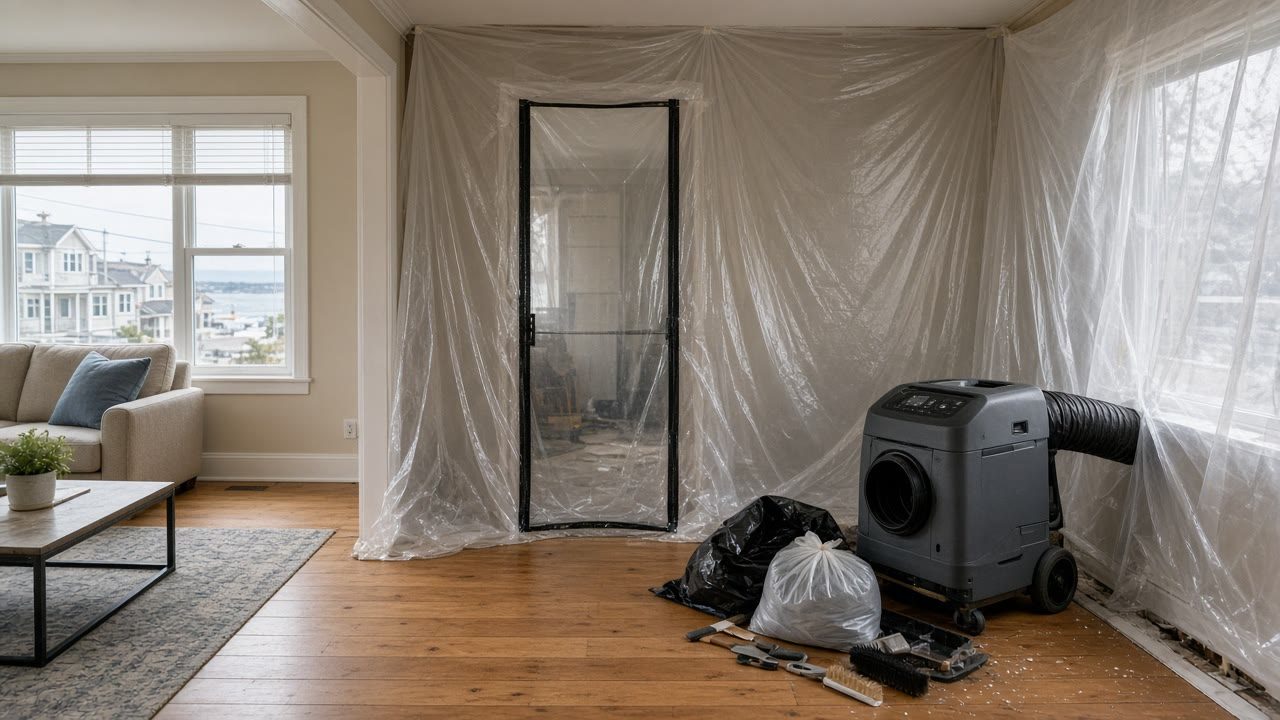
Mold Services for Long Beach and the South Shore
You have a damp crawl space, a wet floor after a storm, or a musty wall, and you want to know which job to call for. Match what you see to the right flag below. Then match the job to New York's order: drying, assessment, removal.
Which flag is flying?
Pick the flag that matches your house
Each flag points to the job that usually comes first. If more than one fits, start with the wetter one.
Green flag
A musty smell or a new stain, and no water you can point to.
Often damp air or a small patch. Measure it. A patch of about ten square feet or less is usually a job you can handle yourself, and if you cannot find the source, an inspection can.
Yellow flag
Dark staining or growth on a wall, ceiling or framing, and you cannot tell how far it runs.
Wet material usually runs further than the stain. If the area may be over ten square feet, New York puts a written assessment before any removal.
Red flag
A storm tide, flood or burst pipe put water in, and things are still wet.
Drying comes first, while the job is still only wet. Extracting and drying now can keep it from becoming a licensed mold project.
Double red
Growth covers more than about ten square feet, or has soaked into drywall, carpet or insulation.
New York treats this as a licensed project. An assessor writes the plan, a separate firm removes to it, and the assessor checks the work.
Which job does your house need?
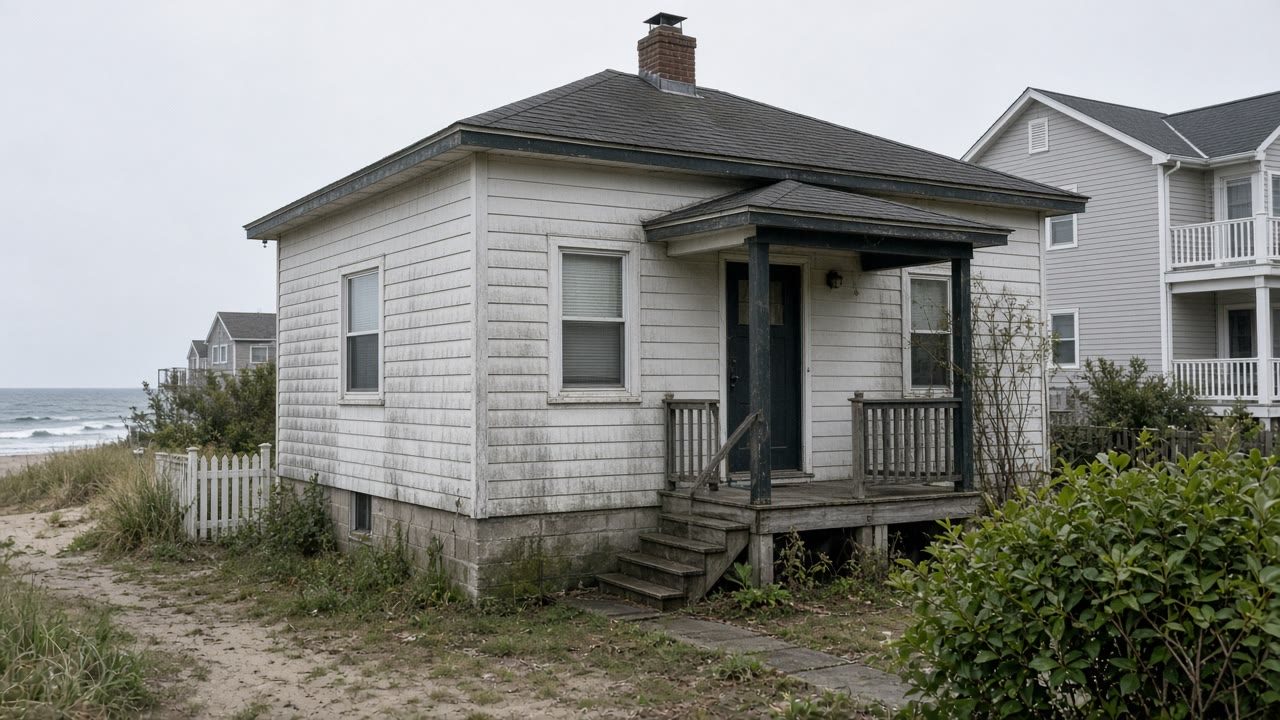
Yellow flag
Mold Inspection and Assessment
Start here if there is a stain, a patch or a musty smell, and no one has put the scope of the job in writing.
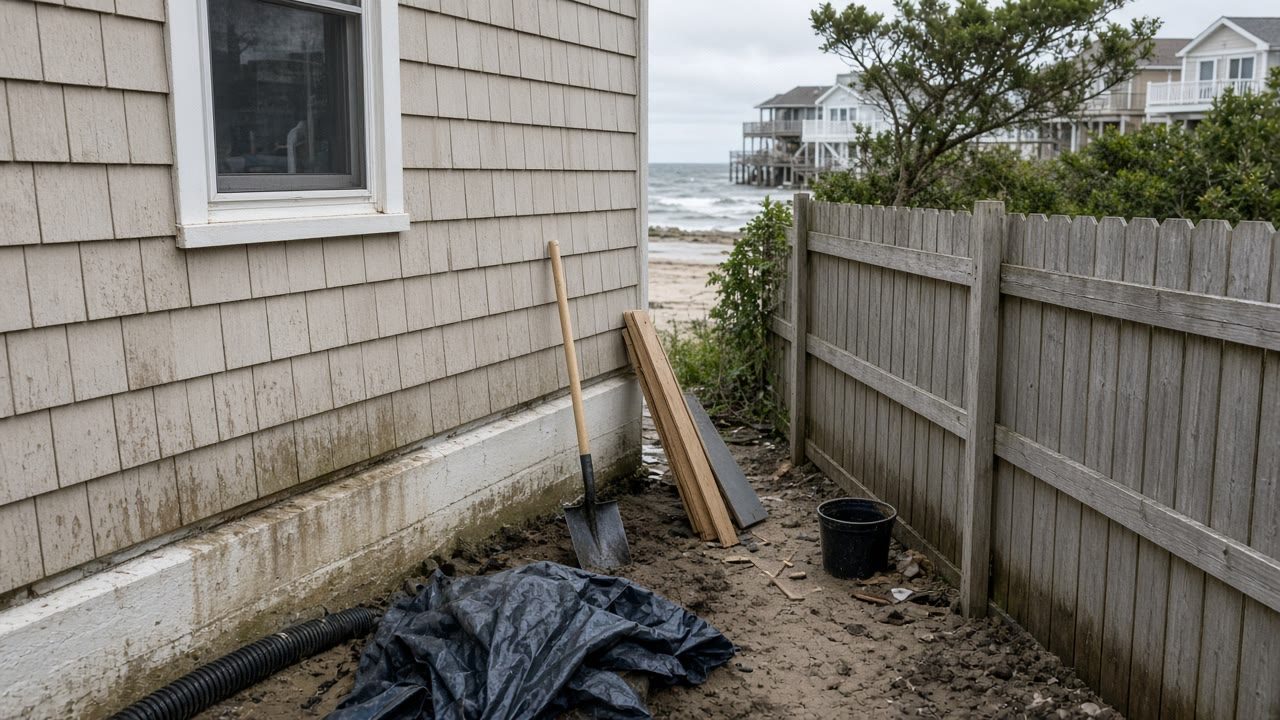
Double red
Mold Removal and Remediation
Start here if an assessor has written the plan, and you need it carried out properly.
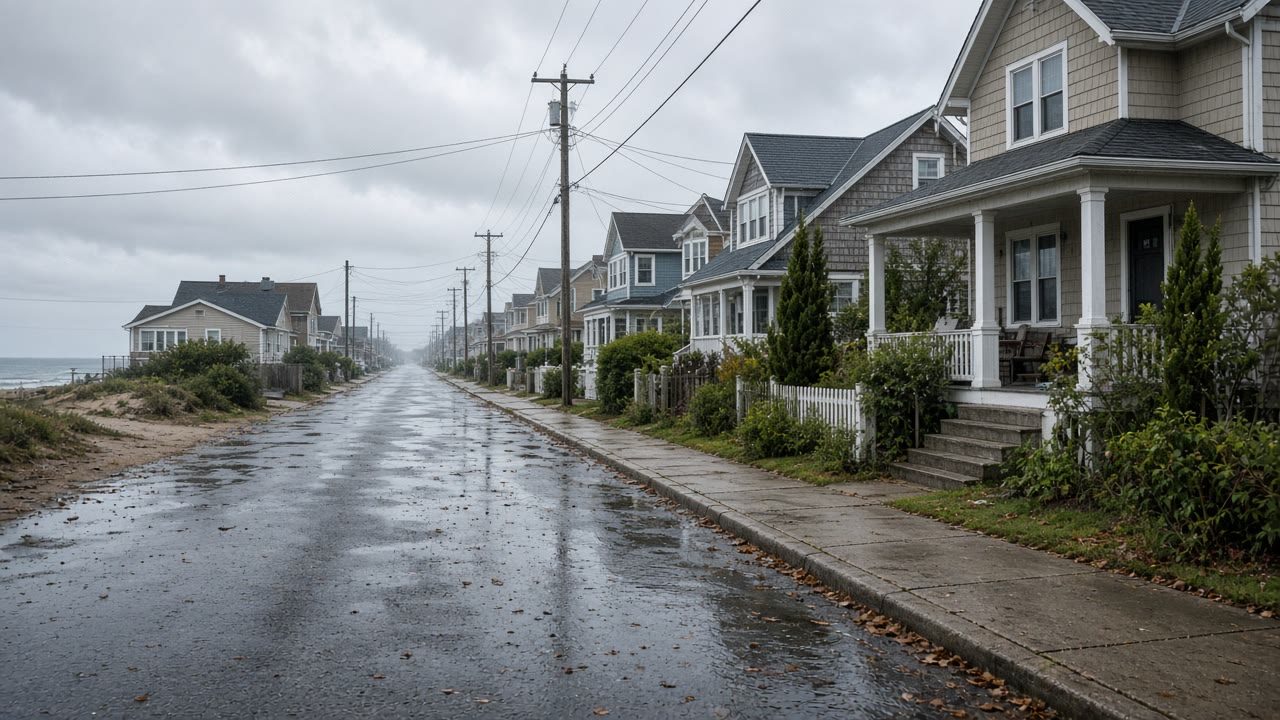
Red flag
Water Damage Restoration
Start here if something is wet right now, or got wet in the last few days.


How the work runs
Tell us what you see
Describe the room, the stain or smell, and when water last got in. Add photos if you have them.
Assessment before removal
If growth covers more than ten square feet, a licensed assessor writes the plan first. Ask for a copy.
Removal, then clearance
A separate licensed firm removes to that plan. The assessor checks the result before containment comes down.
The questions people ask before they call
Which service do I need first?
If water is still in the building, drying comes first. If growth covers more than about ten square feet, a licensed assessment comes next. Removal follows the assessor's plan. Tell us what you see and we say which step you are on.
Do I need all three services?
Usually not. Most callers need one or two. A small patch may be a job you do yourself, and a dry house with a stain may only need the assessment.
Can I do the work myself?
Often, yes, for a small job. The EPA says most homeowners can handle a patch of about ten square feet, and New York exempts a residential owner working on their own property at any size. A large job on a wet house is a lot to take on alone, so send us a photo first.
How do I check that a firm holds a New York license?
The State Department of Labor publishes its mold contractor license register as open data. Ask the firm which license it holds and look the firm up there. Assessment and removal are separate license classes, so the two firms you hire should hold different licenses.
Why does nobody give me a removal price on the first call?
Because the state puts the number in the assessor's written plan. Ask for the assessment first, then compare removal firms against that one document.
Send us the details
Tell us what you are seeing and which part of the building it is in. On a barrier island the room matters as much as the stain, and that is usually enough for us to say which licensed trade you actually need.
Why the order matters
Assessment, removal and drying are three separately licensed or separately skilled jobs. Most callers need one or two of them, and starting with the wrong one costs you a second visit. We tell you which job you actually have before anyone is sent.
New York does not let one licensee assess and remove on the same property, and it bars shared ownership between the two firms. You cannot easily check that alone, so ask each firm who owns it and whether it has any tie to the other.
A removal number before there is a plan is a guess. Until an independent assessment exists, treat any quote as a rough figure and not a commitment. Wait for the plan and compare removal firms against it.
Control of indoor mold is control of moisture. A removal over a source that has not been fixed will regrow on whatever stays wet, so the water comes first. Tell us where it comes from, even if you only suspect it.

Our guarantee
The Dry-Line Pledge
- Your request is free, and it creates no obligation.
- We charge you no fee for planning or the introduction.
- A person calls you back on the number you give.
- Inspection and removal go to two separate licensed firms.
- If an introduction does not work out, we arrange another, at no fee.
- Your $100 credit is applied exactly as our Terms say.
This pledge covers our planning and introductions. The contractor's work is covered by your contract with them. Terms.
Mold Removal Long Beach · (315) 640-3590
Start with what you can see
Send a photo and the room. We arrange the licensed firm for the step you are on.